April 8, 2026
Building a new home is exciting. Every choice — from the layout to the finishes — helps shape how the home will look and feel for years to come. One of the most important decisions during construction is the exterior siding. It’s the layer people see first, but it also plays a major role in protecting the structure underneath.
A thoughtful siding installation does more than improve curb appeal. It helps shield the home from weather, supports energy efficiency, and contributes to long-term durability. When homeowners and builders look at siding options for new construction, they usually consider appearance, maintenance, and how well the material performs over time.
There isn’t a single siding material that works for every home, but several options are commonly chosen because they balance style and performance. Let’s walk through several siding materials that are frequently used in new construction and talk about what makes each one appealing.
Exploring Vinyl Siding for Modern Homes
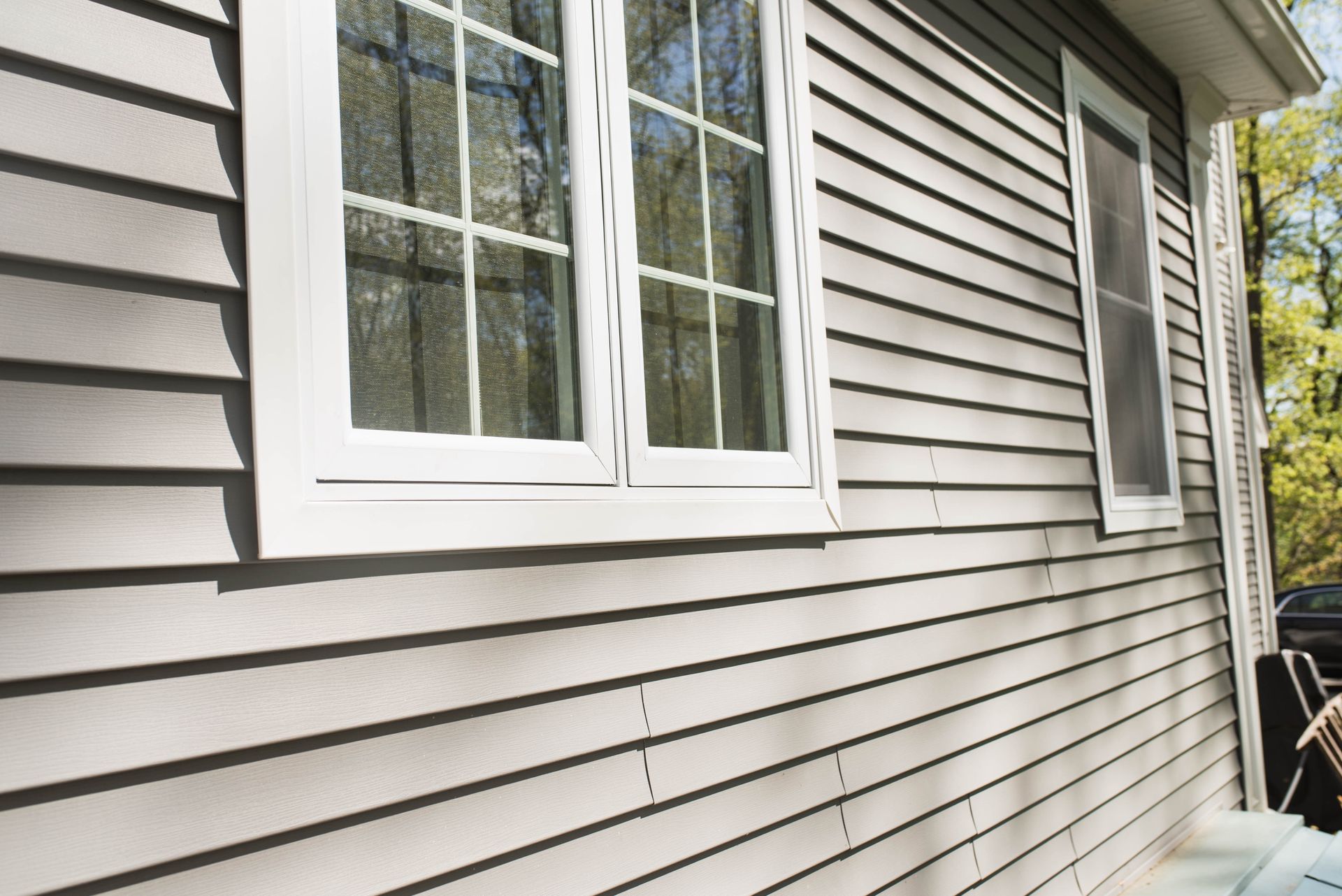
Vinyl siding has become a familiar sight in many neighborhoods, and it’s easy to see why. Homeowners often appreciate how adaptable it is. With a wide range of colors and textures available, vinyl siding can complement many architectural styles without overwhelming the overall design of the home.
Another appealing aspect is how simple it is to care for. Vinyl doesn’t require frequent refinishing, and it typically holds its color well over time. A properly handled siding installation ensures the panels fit securely and allow the material to expand and contract naturally as temperatures change.
Vinyl siding can also be paired with other exterior elements like stone accents or decorative trim, giving a home personality while still maintaining a cohesive design. Many builders choose this material when they want a clean, polished exterior that doesn’t require constant attention.
Considering Fiber Cement for Long-Lasting Protection
Fiber cement siding has grown in popularity in recent years because it offers a combination of durability and visual appeal. This material is designed to handle changing weather conditions while maintaining a structured appearance that resembles traditional wood siding.
According to Fixr, vinyl and fiber cement siding are two of the most common siding types installed on new homes in the United States. This trend reflects how homeowners often want siding that balances durability with a wide range of design possibilities.
Fiber cement can be manufactured to resemble wood planks, shingles, or other textured surfaces. When the siding installation is completed correctly, the result can give a home a refined, classic look that complements both modern and traditional architecture.
Another reason builders often recommend fiber cement is its stability. It holds up well under varying conditions and can maintain its shape and appearance over time, making it a practical option for new homes designed to last for generations.
Choosing Engineered Wood for Natural Appearance
For homeowners who appreciate the warmth and texture of natural wood but want a material designed for durability, engineered wood siding is often considered. This siding is created using wood fibers that are combined and treated to enhance their strength and resilience.
The finished product often looks remarkably similar to traditional wood siding. It brings a welcoming, natural feel to the home’s exterior, which can be especially appealing for houses that aim for a classic or rustic design.
During a professional siding installation, engineered wood panels are fitted carefully to create clean lines and consistent spacing. The result is an exterior that highlights the character of wood while offering improved resistance to the elements compared to untreated lumber.
Many homeowners appreciate how this siding can be painted or finished in a variety of colors, allowing them to personalize their new home without sacrificing durability.
Incorporating Metal Siding for Contemporary Style
Metal siding has become an increasingly popular choice for modern and contemporary homes. Materials such as aluminum or steel create a sleek exterior that stands out from more traditional siding options.
The clean lines and smooth surfaces of metal siding often complement minimalist architecture. It can also be used as an accent material alongside other siding types, creating visual contrast that adds depth to the exterior design.
A precise siding installation is particularly important with metal panels, since alignment and spacing contribute significantly to the finished appearance. When installed properly, the panels can form a crisp, modern façade that enhances the overall structure of the home.
Another advantage of metal siding is its resilience. It can withstand many environmental conditions while maintaining a strong, polished appearance, which makes it appealing for homeowners who want a modern exterior with lasting character.
Selecting Brick Veneer for Timeless Curb Appeal
Brick has long been associated with durability and traditional charm. While full brick construction is less common in many new homes today, brick veneer siding allows homeowners to enjoy the appearance of brick without the structural weight of solid masonry walls.
Brick veneer is installed as an exterior layer over the home’s framework. This approach creates the visual appeal of classic brick architecture while still allowing flexibility in the construction process.
When brick veneer is included in a siding installation, it can give a home a sense of permanence and craftsmanship. The texture and color variations within brick surfaces often add depth and character that stand out in any neighborhood.
Brick veneer also pairs well with other siding materials, such as fiber cement or vinyl. Combining materials can help highlight architectural features while maintaining a balanced exterior design.
Integrating Stone Veneer for Architectural Character
Stone veneer siding is another option that can add striking visual interest to a newly built home. Whether it’s used across the entire exterior or as a decorative accent, stone veneer can bring texture and sophistication to the design.
Stone veneer is typically manufactured to resemble natural stone while being lighter and easier to install. This makes it a flexible choice for many construction projects where homeowners want the look of stone without the complexity of full masonry construction.
During siding installation, stone veneer is carefully placed to create natural patterns that mimic authentic stonework. The result can transform an otherwise simple façade into something that feels rich and distinctive.
Stone veneer is often used around entryways, columns, or lower portions of exterior walls. These design elements can help frame the home and create a welcoming appearance from the moment someone approaches the front door.
Matching Siding Materials to Home Design
Choosing the right siding material for a new home often involves balancing aesthetics with functionality. The architectural style of the home, the surrounding environment, and personal design preferences all influence the final decision.
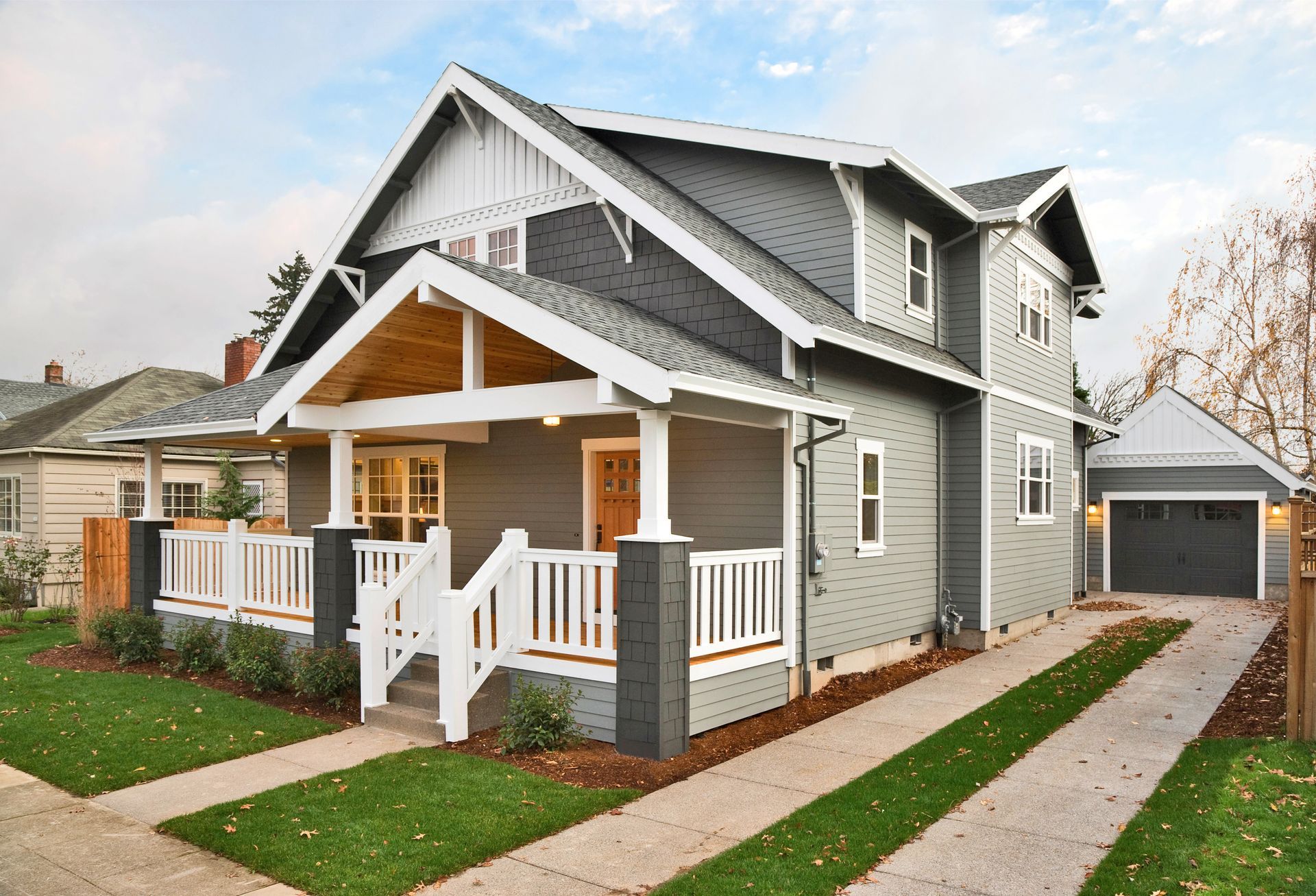
Some homeowners prefer a single siding material that creates a uniform look across the entire exterior. Others enjoy combining materials — such as fiber cement with stone veneer — to add contrast and dimension to the design.
Regardless of the material selected, a professional siding installation plays a crucial role in ensuring the siding performs as intended. Proper placement, secure fastening, and thoughtful finishing details help the siding protect the home while enhancing its visual appeal.
New construction offers the unique opportunity to design an exterior from the ground up. By carefully selecting siding materials that align with the home’s style and long-term needs, homeowners can create a façade that feels both welcoming and enduring.
If you’re planning new construction and want guidance on choosing the right exterior materials, consider reaching out to Everlast Exteriors of Illinois Inc.