November 9, 2026
Maintaining an energy-efficient home requires looking closely at how heat moves into and out of your living space. While many homeowners immediately focus on upgrading double-pane windows, adding smart thermostats, or buying high-efficiency HVAC equipment, the true frontline of residential thermal defense sits directly overhead. An aging, degraded roof acts like a thermal sieve, allowing intense solar radiation to bake your attic in the summer and letting costly indoor heating escape during the winter.
Over years of exposure to rain, wind, and harsh UV rays, traditional roofing materials break down, lose their protective coatings, and develop microscopic drafts. When this happens, your climate control systems are forced to run continuously just to maintain a comfortable baseline temperature. Committing to a comprehensive roofing install provides a prime opportunity to redesign your home’s thermal envelope from the rafters up. By combining modern reflective materials, advanced insulation layers, and engineered airflow systems, a full replacement addresses the root causes of energy waste rather than simply masking the symptoms.
Upgrading Thermal Barriers With Advanced Shingle Technology
The outer layer of your roof absorbs the brunt of solar exposure every single day. Traditional dark organic or early asphalt shingles were manufactured primarily for moisture shedding, paying little attention to solar reflectance or thermal emissivity. As a result, older roofs can reach blistering surface temperatures on sunny afternoons, radiating massive amounts of heat directly into the rafters below. Contemporary architectural shingles now integrate specially engineered granules embedded with microscopic reflective mineral coatings. These granules reflect a broad spectrum of infrared light away from the building rather than absorbing it as sensible heat.
Longevity plays a major role in how well these materials retain their energy-saving capabilities over time. According to Forbes, standard asphalt shingles generally endure for up to three decades prior to requiring replacement, which means homes built or reroofed decades ago are operating with outdated, degraded technology. Choosing advanced materials during your new roofing install equips your home to dramatically reduce radiant heat transfer into the attic, keeping living spaces cooler with far less mechanical intervention.
Enhancing Attic Ventilation for Balanced Airflow
A high-performance roof is not merely an inert barrier; it is a dynamic air-exchange system designed to keep internal temperatures moderated. Without balanced airflow, your attic functions like a giant thermal trap. In the heat of midsummer, superheated air gathers along the upper roof ridges, transferring heat downward through the ceiling drywall into your bedrooms and living areas. In winter, trapped moisture and rising indoor warmth condense against cold roof decks, dampening insulation and destroying its thermal resistance (R-value).
A high-quality roofing install provides an ideal opportunity to correct improper or obsolete ventilation configurations. Contractors calculate the exact net free ventilating area required for your specific square footage, pairing low-profile soffit intake vents with continuous ridge exhaust vents. This creates a natural, passive convective loop: cool air enters low along the eaves, gathers ambient attic heat, and exhausts continuously along the peak of the roof. By moving superheated air out before it saturates the ceiling plane, balanced ventilation prevents excessive heat buildup and ensures that your existing insulation performs at peak efficiency throughout all four seasons.
Integrating Reflective Underlayment and Radiant Barriers
While shingles provide the primary aesthetic and weather-shedding surface, the critical secondary defenses hide immediately beneath them. In older construction, builders frequently rolled out basic asphalt-saturated organic felt paper before fastening the shingles. While felt repels water, it provides virtually zero thermal resistance and tends to degrade, tear, and become brittle over years of heat exposure.
Modern roofing systems replace outdated felt with multi-layered synthetic underlayments paired with specialized radiant barriers. Radiant barriers consist of highly reflective aluminum or metallized polymer films applied to the roof decking or rolled directly across rafters. While bulk insulation slows down conductive heat flow, radiant barriers reflect radiant heat energy, which accounts for the vast majority of summer heat gain across roof planes. By keeping the attic space substantially cooler, you prevent ductwork routed through the rafters from absorbing stray heat, ensuring that cooled air remains crisp and refreshing as it travels to your vents.
Eliminating Air Leaks Through Precision Flashing and Deck Sealing
Even the highest-rated roofing materials cannot insulate a home if the structural substrate underneath is compromised by air leaks. Over decades of weather fluctuations, roof sheathing expands, contracts, warps, and occasionally rots due to slow moisture intrusion. These structural shifts create gaps and fissures around structural intersections, allowing conditioned air from your home to leak outdoors while inviting unconditioned exterior air inside.
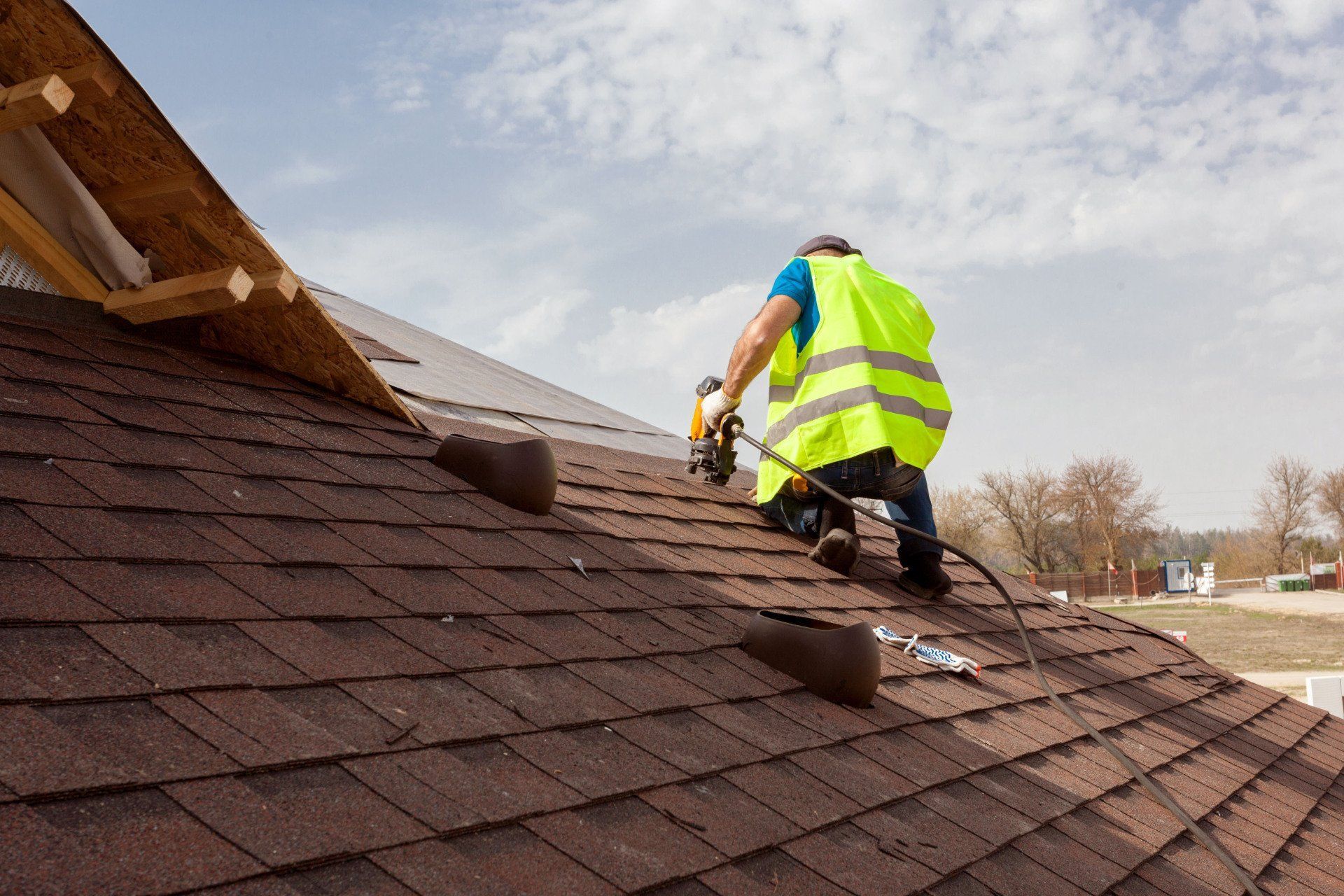
A full tear-off and replacement exposes the underlying plywood or OSB roof deck, allowing technicians to inspect the structural foundation of the roof. Deteriorated boards are replaced, joints are reinforced, and premium self-adhering ice-and-water membranes are applied to vulnerable transition zones like valleys, eaves, and rakes. Furthermore, skilled contractors replace flashing around chimneys, skylights, plumbing vents, and dormers. Executing a meticulous roofing install guarantees an airtight perimeter seal around every penetration point. Eliminating these hidden air leaks protects the structural integrity of the roof deck while preventing drafts that silently undermine your home’s overall thermal efficiency.
Reducing HVAC Strain to Lower Monthly Utility Bills
The primary beneficiary of an energy-smart roofing envelope is your home’s heating, ventilation, and air conditioning (HVAC) system. When a roof allows external temperatures to dictate internal attic conditions, air conditioners and heat pumps must cycle frequently to compensate. During peak summer afternoons, compressors run almost continuously, drawing significant electrical wattage and placing severe mechanical strain on moving parts, fans, and coils.
By stabilizing indoor temperatures and shielding the upper envelope, an energy-efficient roof dramatically lowers peak cooling loads. Air conditioners achieve the set thermostat temperature much faster and cycle off for longer durations, which flattens peak kilowatt-hour (kWh) demand spikes. Homeowners often discover that completing a high-grade roofing install leads to immediate, noticeable drops in their monthly utility expenses. Furthermore, lowering the duty cycle of your HVAC equipment reduces mechanical wear and tear, prolonging the operational lifespan of expensive heating and cooling units and sparing you from premature equipment replacement costs.
Maximizing Long-Term ROI Through Sustainable Roofing Practices
Investing in home improvements requires balancing immediate capital expenditures against long-term financial returns. A new roof is a major structural commitment, but its status as an energy-saving asset substantially accelerates your return on investment. Beyond immediate monthly utility savings, energy-conscious roof renovations open up financial opportunities through government incentives, utility rebates, and increased property valuation.
Federal energy-efficiency programs and regional utility companies frequently offer financial incentives or tax credits for installing verified energy-saving roof assemblies. Simultaneously, modern prospective homebuyers actively seek out properties featuring sustainable building practices, low ongoing operating costs, and updated infrastructure. When prospective buyers see that your new roofing installation utilizes high-performance shingles, upgraded ventilation, and durable protective membranes, the property gains a distinct competitive advantage in the real estate market. These immediate energy savings, combined with long-term capital preservation, ensure that high-efficiency roofing pays meaningful dividends for decades to come.
Improving your home’s energy efficiency requires a holistic approach that views your house as an interconnected system. Shingles, ventilation ridges, underlayment barriers, and precision flashing do not operate as isolated components; rather, they form an integrated thermal shield that protects your home from harsh outdoor weather. Neglecting an aging roof while attempting to improve energy efficiency through minor indoor adjustments is like leaving an upstairs window cracked open all year long. Committing to a professional
roofing install permanently addresses thermal degradation, controls moisture, stabilizes indoor comfort, and slashes energy consumption from day one.
Ready to transform your home's thermal efficiency and enjoy lower monthly utility bills with industry-leading roofing materials? Contact the dedicated home improvement team at Everlast Exteriors of Illinois Inc today to schedule a comprehensive roof and attic assessment. Give our office a call or visit our website right now to take the first step toward lasting energy savings!