November 17, 2026
Your home's siding influences its color, texture, durability, and overall appearance. According to Fixr, stucco, vinyl, and fiber cement rank as the three most frequently installed siding materials in newly built U.S. homes. Each offers distinct design possibilities. A knowledgeable siding company can help Illinois homeowners compare materials, understand maintenance needs, and select an option that complements their home's architectural style and withstands seasonal weather conditions.
Understanding the Influence of Siding Materials
Siding does more than cover a home's exterior walls. Its profile, finish, color, and texture influence how large or detailed a property appears. Smooth surfaces can create a clean, understated look, while textured finishes may add depth and visual interest. Horizontal lines can emphasize a home's width, whereas vertical panels may draw attention to its height.
The material also affects which architectural details stand out. A traditional home may benefit from siding that complements its existing trim, roofline, and window placement. A contemporary property may look more cohesive with simpler profiles and a restrained color palette.
Consider the roof, windows, entryway, landscaping, and surrounding homes when selecting siding. Comparing material samples with these features helps homeowners create a cohesive, balanced exterior.
Comparing the Appearance of Vinyl Siding
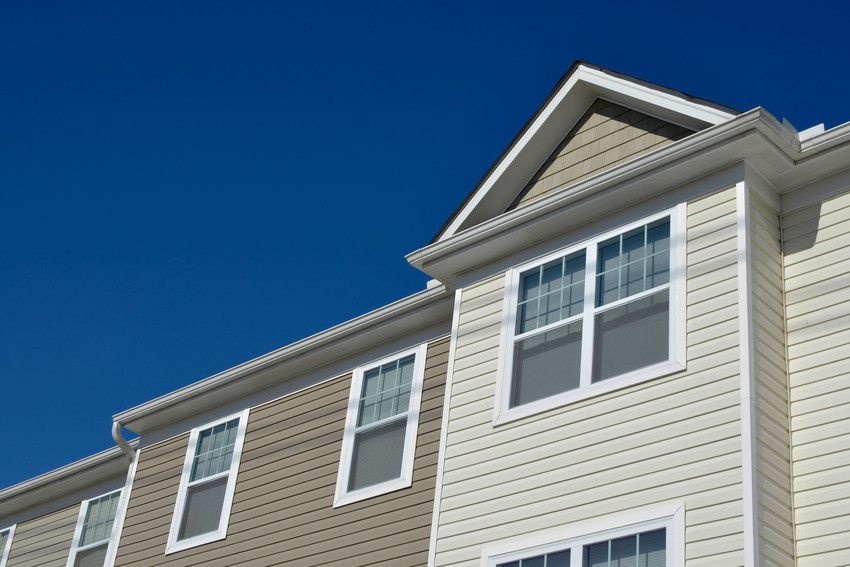
Vinyl siding is a popular choice because it comes in a wide range of colors, profiles, and finishes. Its versatility allows homeowners to create different exterior styles without changing the underlying architectural design. Traditional lap siding, for example, can complement classic suburban homes, while vertical panels can give an exterior a more distinctive appearance.
Color selection is another important advantage. Neutral shades such as white, gray, beige, and muted earth tones can create a timeless look. Homeowners who prefer more visual contrast may consider deeper colors or use different shades to highlight architectural features. The right combination can make trim, shutters, and entryways stand out without overwhelming the exterior.
Vinyl siding is also known for its relatively low maintenance requirements. It does not require routine painting, although periodic cleaning helps maintain its appearance. Product quality, installation, and exposure to weather can influence how well the material holds its color and condition over time.
A professional siding company offers vinyl styles from Mastic, Exterior Portfolio, and Royal Building Products to complement different home designs.
Exploring the Texture of Fiber Cement Siding
Fiber cement siding offers a different appearance, with options designed to complement both traditional and contemporary homes. Depending on the product, it can resemble painted wood, smooth boards, or other familiar exterior finishes. This flexibility makes it useful for homeowners who want a particular architectural look while considering an alternative to natural wood.
Its visual appeal often comes from its defined lines and substantial appearance. Lap boards can create a familiar, classic exterior, while vertical panels may suit farmhouse-inspired or modern designs. Some products also feature wood-grain textures that add detail without relying on natural timber.
Fiber cement is made from a combination of cement, sand, and cellulose fibers. Its composition contributes to its durability, although performance and maintenance requirements vary by manufacturer and product. Many options are designed to hold paint well, allowing homeowners to select colors that coordinate with the roof, trim, and other exterior elements.
Illinois homeowners should consult a siding company about fiber cement options, weather resistance, manufacturer recommendations, and proper installation requirements.
Considering the Character of Engineered Wood Siding
Engineered wood siding can provide the familiar appearance of wood with a manufactured construction. Its surface may feature realistic grain patterns, giving homes a warm, natural character. This makes it an option for homeowners who appreciate traditional wood aesthetics but want to compare other exterior materials.
The material is available in different profiles, including lap boards and vertical panels. Lap siding can create a classic appearance, while board-and-batten styles may complement farmhouse and cottage-inspired architecture. Depending on the product, engineered wood can also be painted in a range of colors to coordinate with other exterior features.
Its appearance can be especially effective when paired with stone accents, contrasting trim, or natural landscaping. However, homeowners should review the manufacturer's requirements for installation, maintenance, and moisture protection. Engineered wood products are not all identical, so their warranties and care recommendations should be considered before making a selection.
A siding company familiar with different exterior materials can help homeowners compare engineered wood with vinyl and fiber cement. This discussion can clarify which visual qualities are most important and whether the selected product is appropriate for the property's conditions.
Recognizing the Traditional Appeal of Stucco
Stucco creates a distinctive exterior through its continuous surface and textured finish. Unlike lap siding, which uses visible horizontal or vertical lines, stucco generally produces a more uniform appearance. Depending on the finish, its texture can range from relatively smooth to noticeably coarse.
This material is often associated with Mediterranean, Southwestern, and Spanish-inspired architecture. Its appearance can also work with certain contemporary designs, particularly when paired with simple rooflines and restrained exterior colors. Warm whites, creams, tans, and earthy shades are common choices for creating this style.
Stucco is not interchangeable with every siding product, and its suitability depends on the home's construction, local conditions, and installation requirements. In Illinois, homeowners should consider how moisture, freezing temperatures, and seasonal changes may affect the exterior system. A qualified professional can explain whether this material is appropriate for a particular property.
Although stucco is one of the common siding types identified by Fixr, it is not among the primary materials listed in Everlast Exteriors' current siding installation offerings. Homeowners comparing options should confirm which products a contractor installs before planning a project.
Coordinating Siding Colors With Exterior Features
Material is only one part of the home's appearance. Color can influence whether the exterior feels traditional, contemporary, understated, or bold. The most successful choices generally consider the home's fixed features, including roofing, masonry, window frames, and trim.
A coordinated color palette does not require every exterior element to match. In fact, contrast can help define architectural details. Light siding paired with darker shutters or trim may create a classic appearance, while a darker exterior with lighter accents can emphasize windows and entryways.
Homeowners should also consider how natural light affects color. A shade that looks subtle on a small sample may appear more prominent across an entire exterior. Viewing product samples outdoors and alongside existing materials can provide a more realistic sense of the finished result.
When comparing colors, a siding company can help homeowners review available product selections and consider how different combinations may complement the property's design. The goal is to choose a finish that feels cohesive rather than following a short-lived trend.
Choosing Siding for Illinois Weather Conditions
Illinois homes experience warm summers, cold winters, precipitation, and seasonal temperature fluctuations. These conditions make durability and proper installation important considerations alongside appearance. Siding should be appropriate for the property's exposure and installed according to the product manufacturer's requirements.
Moisture management is especially important. Water that enters behind an exterior surface can contribute to problems within the wall assembly. Proper flashing, weather barriers, clearances, and installation details help manage water and support the performance of the exterior system.
Wind and hail are also relevant concerns in many Illinois communities. Severe weather can damage siding, leaving cracks, dents, loose sections, or other visible changes. After a significant storm, a professional inspection can help determine whether repairs or replacement should be considered.
Choosing siding involves balancing appearance, maintenance, and durability. A siding company can help homeowners compare materials, review product specifications, and select an option that complements their home's architecture while meeting the property's practical needs.
A professional siding company can help bring these details together, from selecting a suitable material to planning an installation that complements the home's exterior. For homeowners in Naperville and surrounding Illinois suburbs, Everlast Exteriors of Illinois Inc offers siding installation and replacement services, including vinyl, fiber cement, and engineered wood options. Contact the team today to request a free estimate and discuss siding choices for your home's appearance and long-term needs.