November 13, 2026
As homes age, their roofing systems gradually lose the ability to protect against weather, moisture, and temperature changes. Although routine maintenance can address minor problems, older roofs eventually reach a point when repairs are no longer sufficient. A timely roofing install can improve structural protection, energy efficiency, and property value. Understanding the warning signs helps homeowners protect their investments.
Addressing Aging Materials and Structural Damage
Deteriorating Roofing Materials
Roofing materials naturally deteriorate after years of exposure to sunlight, rain, snow, and fluctuating temperatures. Asphalt shingles may lose protective granules, while metal components can develop rust and wooden materials may experience rot. As these materials weaken, they become less effective at preventing moisture from entering the home.
Older roofing systems may also contain underlayment and flashing that have deteriorated beyond their intended service lives. Replacing these components during a roofing install helps restore protection and improve weather resistance.
Recognizing Structural Warning Signs
Visible damage can indicate that an older roof is approaching the end of its useful life. Curling or missing shingles, cracked tiles, sagging sections, and excessive granule buildup in gutters are potential warning signs. Inside the home, homeowners might notice ceiling stains or moisture in attic spaces.
These problems deserve professional attention because surface damage can indicate deeper structural concerns. Prolonged moisture exposure may weaken roof decking and support beams. A thorough inspection helps determine whether repairs are appropriate or whether complete replacement would provide better protection.
Preventing Costly Consequences
Ignoring an aging roof can allow minor problems to develop into expensive repairs. Persistent leaks may damage insulation, drywall, and personal belongings. Moisture can also encourage mold growth, creating additional concerns for indoor air quality.
According to Roofing Insights, roof replacements make up 90% of the overall North American roofing market. Addressing deterioration before extensive damage develops can help homeowners avoid unnecessary expenses and protect their property's condition.
Improving Weather Resistance and Home Protection
Restoring Protection Against Severe Weather
Older roofs often become increasingly vulnerable to heavy rainfall, strong winds, hail, and snow. Shingles may loosen, flashing can separate, and underlayment may lose its ability to prevent water penetration.
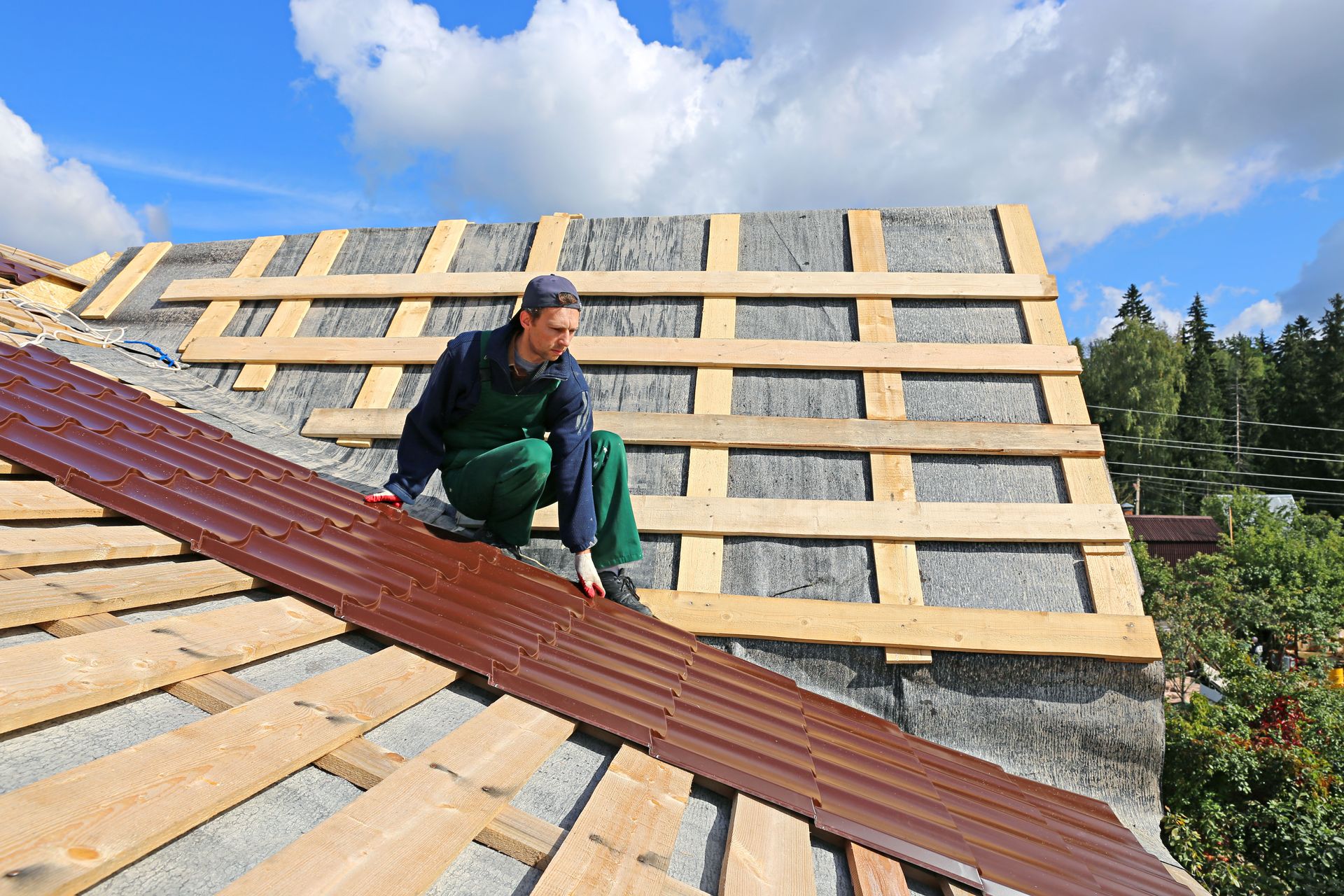
A professional roofing install provides an opportunity to replace compromised materials with products designed for local weather conditions. Homeowners can consider impact-resistant shingles, reinforced underlayment, and durable flashing to improve protection.
Reducing Leaks and Moisture Problems
Water infiltration is one of the most common concerns associated with aging roofs. Small openings around roof penetrations, valleys, and flashing can allow moisture inside. Over time, leaks may compromise insulation and damage wooden components.
Replacing an outdated roofing system addresses widespread deterioration rather than repeatedly treating individual problem areas. Proper installation also helps reduce potential entry points for water.
Strengthening Drainage and Ventilation
A complete roof replacement offers an opportunity to evaluate other components that influence roofing performance. Gutters and downspouts should direct water away from the home's foundation, while proper ventilation helps regulate attic temperatures and moisture levels.
Improving these systems alongside a roofing install can support the longevity of new materials. Poor ventilation may contribute to excessive attic heat and condensation, while inadequate drainage can expose exterior walls to moisture.
Enhancing Energy Efficiency and Indoor Comfort
Updating Outdated Insulation
Older homes may have roofing and insulation systems that do not meet modern energy efficiency expectations. Insufficient attic insulation and poor ventilation can allow unwanted heat transfer, making upper floors uncomfortable during summer and increasing heating demands during winter.
Replacing an aging roof provides an opportunity to evaluate insulation and address areas where energy may be escaping. Modern insulation products help maintain consistent indoor temperatures while reducing strain on heating and cooling equipment.
Choosing Energy-Efficient Materials
Modern roofing products offer features that help homeowners manage heat absorption. Reflective shingles and certain metal roofing options can reduce solar heat transfer. Choosing suitable materials can be particularly beneficial for homes that experience high summer temperatures.
A knowledgeable roofing contractor can explain how different products perform and help homeowners select options that complement their home's design and climate.
Considering Sustainable Roofing Options
Homeowners planning a replacement may explore environmentally responsible materials. Some manufacturers offer roofing products made with recycled content, while other options are designed for longer service lives and reduced material waste.
Solar integration may also be worth considering. Coordinating a roofing project with potential solar panel installation can simplify future improvements and help homeowners evaluate their roof before adding equipment.
Meeting Current Building Standards and Safety Requirements
Understanding Updated Building Codes
Building codes change as construction practices and safety expectations evolve. An older home may have a roofing system installed under requirements that differ from those currently in effect. Homeowners planning a replacement should understand which local regulations apply.
Current requirements may address material specifications, underlayment, ventilation, and fastening methods. Working with an experienced contractor helps homeowners plan a roofing install that follows applicable standards.
Identifying Hidden Safety Concerns
Some older homes may contain roofing materials that require additional precautions during removal. Asbestos-containing products, deteriorated decking, and weakened structural supports can create safety concerns if they are not handled appropriately. Professional inspections help identify potential hazards before work begins.
Contractors should follow applicable removal and disposal regulations to protect occupants and workers throughout the project.
Maintaining Long-Term Structural Stability
A roof must support its own weight while withstanding wind, snow, and rain. As older materials weaken, the roofing system may become less capable of handling these demands. Sagging areas and deteriorated decking can indicate underlying structural problems.
Before installing new materials, contractors should evaluate the roof deck and supporting components. Replacing damaged sections helps establish a stable foundation for the updated system.
Increasing Property Value and Curb Appeal
Improving Marketability
An updated roof can make an older home more attractive to prospective buyers. Buyers often consider the roof's age and condition because a roofing install represents a significant future expense. A newer system can reduce concerns about immediate maintenance needs and strengthen the home's market appeal.
Although financial returns vary depending on materials and property conditions, replacing an aging roof can improve resale appeal and address visible deterioration before listing the property.
Refreshing Exterior Appearance
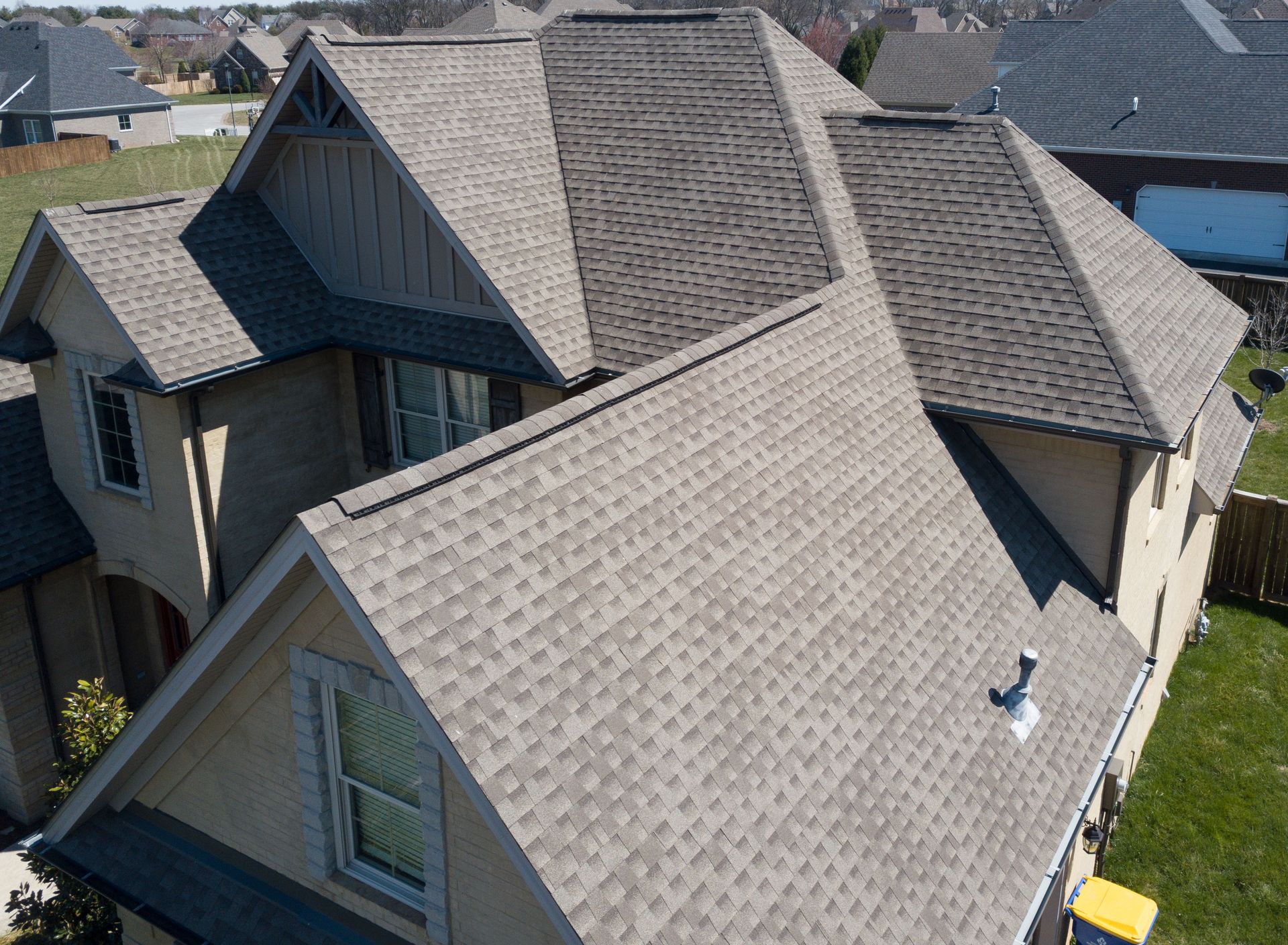
Roofing occupies a substantial portion of a home's exterior, making its appearance important to curb appeal. Faded shingles and visible damage can make an otherwise attractive property look neglected. New materials provide an opportunity to refresh the home's appearance while complementing its architectural features.
Homeowners can choose from different colors, textures, and styles to create a cohesive exterior design while balancing appearance with durability.
Reducing Future Maintenance Demands
Continuously repairing an aging roof can become increasingly expensive. Although replacement requires a larger initial investment, it may reduce recurring repairs caused by widespread deterioration. Modern products can also offer improved resistance to weather-related damage.
Regular inspections remain important after installation. Keeping gutters clear and addressing minor issues promptly can help extend the useful life of a roofing system.
Making an Informed Roofing Replacement Decision
Determining when an older home needs a new roof requires evaluating more than its age. Material deterioration, recurring leaks, structural concerns, and poor energy performance can all indicate that replacement deserves consideration. A professional inspection helps homeowners compare repair and replacement options.
For homeowners considering a roofing install, choosing quality materials and experienced installation professionals is essential. Everlast Exteriors of Illinois Inc can help homeowners evaluate their roofing needs and explore suitable replacement options. Contact the company to schedule an assessment and improve your home's protection, efficiency, and appearance.